Minneapolis Chronicle
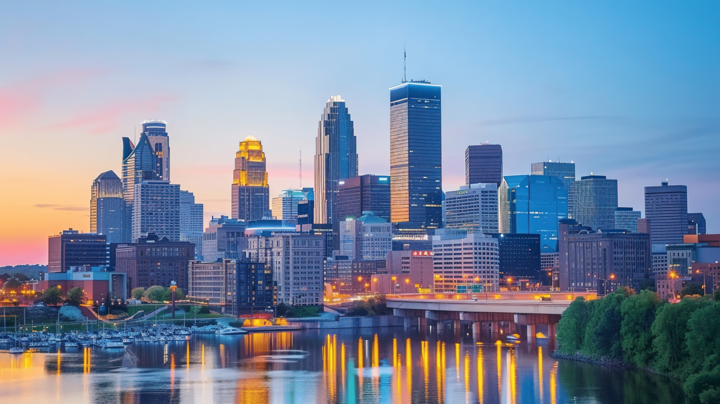
The Land of 10,000 Neighbors
A live look at the occupation of
Minneapolis and Saint Paul by I.C.E.
-
Seasons Change
If you were to look at Minneapolis from far enough away beyond the curvature of the Earth, beyond the weather systems that comb the Great Plains, beyond the faint green lattice of rivers and roads you would see nothing remarkable at first. A small concentration of lights on a spinning sphere. A brief flicker of human arrangement in a universe that has been arranging itself for nearly fourteen billion years.
And yet, for those of us standing here, now, this place is the center of everything.
Minnesota likes to describe itself as the Land of 10,000 Lakes. But lakes do not speak, do not knock on doors, do not fear the sound of engines slowing outside their homes. This story belongs not to water, but to people. It is the land of 10,000 neighbors, an uncountable web of proximity, memory, and shared weather, suddenly asked to justify its own existence.
The early signs were subtle, the way all large changes begin. Vehicles that did not belong lingered longer than necessary. Buildings acquired watchers. Conversations shortened. Parents began walking their children to school again, not out of nostalgia, but calculation.
Local news reported it carefully at first. A surge, they said. Increased enforcement. Federal presence. The words were chosen to fit into headlines without alarming advertisers or readers. But language has mass, and these words were heavy. They bent the mood of the city.
Court filings arrived soon after, dense and restrained, written in the careful dialect of institutions that know they will be read by other institutions. The state objected not emotionally, but procedurally. Jurisdiction. Authority. Harm. The law does not cry out; it documents. It preserves moments the way ice preserves pollen, so that later generations may examine what bloomed and what suffocated.
On the ground, the difference between legality and legitimacy became less theoretical. Federal agents knocked on doors in south Minneapolis neighborhoods that had never appeared in national briefings before. Observers gathered, as neighbors always do when something feels wrong. Some were told to disperse. Some were detained. The lines between witness and suspect proved thinner than advertised.
Local coverage began to shift tone. Reporters stopped using abstract numbers and started naming neighborhoods. Powderhorn. Whittier. Cedar-Riverside. Geography returned to the story, as it always does when events become real.
Then came the morning when abstraction failed entirely.
A woman named Renee Nicole Good was shot during an enforcement action. Her name spread first through social media, then through official confirmation, then through the silence that follows when no further clarification makes things better. Statements were released quickly, polished by experience. Threat perceived. Split-second decision. Ongoing investigation. These phrases have been used before, in other cities, under other administrations, in other decades. They are durable. They survive context.
The videos did not survive editing. They circulated raw, uncurated, resistant to narrative. People watched them the way humans have always watched evidence of sudden death with disbelief first, and then with a terrible, irreversible clarity as the shooter Jonathan Ross said “Fucking bitch.”
Protests followed, not because they were organized, but because grief has momentum. Chemical agents were deployed. The air became spicy. Minneapolis learned again that the atmosphere, usually so generous, can be turned against its inhabitants with the pull of a pin.
Courts responded in parallel time. Injunctions were sought. Arguments were filed. The state asserted that federal action had crossed from enforcement into occupation. The word was not used lightly. Occupation implies duration. Intent. Control.
Tribal leaders spoke next, reminding the public that citizenship on this land predates the agencies enforcing it. Treaties older than the skyline were invoked, documents signed when the city itself was only an idea. History, long treated as optional reading, returned as binding text.
Local businesses closed early. Some did not reopen. Fear is an efficient economic force. It requires no marketing and spreads without infrastructure.
Through it all, neighbors watched each other. Who was home. Who was missing. Who needed groceries. Who needed silence. In the absence of trust in systems, people defaulted to the oldest technology we have: mutual observation.
Carl Sagan once observed that science is not only compatible with spirituality; it is a profound source of it. The same could be said of community. When formal structures fail to protect, informal ones reassert themselves not out of ideology, but necessity.
This is not a story about villains and heroes in the theatrical sense. It is about scale and consequence. About what happens when national policy collides with local reality. About how quickly ordinary life can be placed under review.
From orbit, this moment will not register. No telescope will mark the deployment of agents or the filing of motions. But for those of us here breathing the spicy air, walking these streets it is enormous.
Because a neighbor is not an abstraction. A neighbor is someone whose absence you notice.
And once you begin to notice who is missing, you cannot unsee the pattern.
-
Time, Injunctions, and the Slow Machinery
If you were to look at Minneapolis from far enough away beyond the curvature of the Earth, beyond the weather systems that comb the Great Plains, beyond the faint green lattice of rivers and roads you would see nothing remarkable at first. A small concentration of lights on a spinning sphere. A brief flicker of human arrangement in a universe that has been arranging itself for nearly fourteen billion years.
And yet, for those of us standing here, now, this place is the center of everything.
Minnesota likes to describe itself as the Land of 10,000 Lakes. But lakes do not speak, do not knock on doors, do not fear the sound of engines slowing outside their homes. This story belongs not to water, but to people. It is the land of 10,000 neighbors, an uncountable web of proximity, memory, and shared weather, suddenly asked to justify its own existence.
The early signs were subtle, the way all large changes begin. Vehicles that did not belong lingered longer than necessary. Buildings acquired watchers. Conversations shortened. Parents began walking their children to school again, not out of nostalgia, but calculation.
Local news reported it carefully at first. A surge, they said. Increased enforcement. Federal presence. The words were chosen to fit into headlines without alarming advertisers or readers. But language has mass, and these words were heavy. They bent the mood of the city.
Court filings arrived soon after, dense and restrained, written in the careful dialect of institutions that know they will be read by other institutions. The state objected not emotionally, but procedurally. Jurisdiction. Authority. Harm. The law does not cry out; it documents. It preserves moments the way ice preserves pollen, so that later generations may examine what bloomed and what suffocated.
On the ground, the difference between legality and legitimacy became less theoretical. Federal agents knocked on doors in south Minneapolis neighborhoods that had never appeared in national briefings before. Observers gathered, as neighbors always do when something feels wrong. Some were told to disperse. Some were detained. The lines between witness and suspect proved thinner than advertised.
Local coverage began to shift tone. Reporters stopped using abstract numbers and started naming neighborhoods. Powderhorn. Whittier. Cedar-Riverside. Geography returned to the story, as it always does when events become real.
Then came the morning when abstraction failed entirely.
A woman named Renee Nicole Good was shot during an enforcement action. Her name spread first through social media, then through official confirmation, then through the silence that follows when no further clarification makes things better. Statements were released quickly, polished by experience. Threat perceived. Split-second decision. Ongoing investigation. These phrases have been used before, in other cities, under other administrations, in other decades. They are durable. They survive context.
The videos did not survive editing. They circulated raw, uncurated, resistant to narrative. People watched them the way humans have always watched evidence of sudden death with disbelief first, and then with a terrible, irreversible clarity as the shooter Jonathan Ross said “Fucking bitch.”
Protests followed, not because they were organized, but because grief has momentum. Chemical agents were deployed. The air became spicy. Minneapolis learned again that the atmosphere, usually so generous, can be turned against its inhabitants with the pull of a pin.
Courts responded in parallel time. Injunctions were sought. Arguments were filed. The state asserted that federal action had crossed from enforcement into occupation. The word was not used lightly. Occupation implies duration. Intent. Control.
Tribal leaders spoke next, reminding the public that citizenship on this land predates the agencies enforcing it. Treaties older than the skyline were invoked, documents signed when the city itself was only an idea. History, long treated as optional reading, returned as binding text.
Local businesses closed early. Some did not reopen. Fear is an efficient economic force. It requires no marketing and spreads without infrastructure.
Through it all, neighbors watched each other. Who was home. Who was missing. Who needed groceries. Who needed silence. In the absence of trust in systems, people defaulted to the oldest technology we have: mutual observation.
Carl Sagan once observed that science is not only compatible with spirituality; it is a profound source of it. The same could be said of community. When formal structures fail to protect, informal ones reassert themselves not out of ideology, but necessity.
This is not a story about villains and heroes in the theatrical sense. It is about scale and consequence. About what happens when national policy collides with local reality. About how quickly ordinary life can be placed under review.
From orbit, this moment will not register. No telescope will mark the deployment of agents or the filing of motions. But for those of us here breathing the spicy air, walking these streets it is enormous.
Because a neighbor is not an abstraction. A neighbor is someone whose absence you notice.
And once you begin to notice who is missing, you cannot unsee the pattern.
-
The Long Arrival
If you were to look at Minneapolis from far enough away beyond the curvature of the Earth, beyond the weather systems that comb the Great Plains, beyond the faint green lattice of rivers and roads you would see nothing remarkable at first. A small concentration of lights on a spinning sphere. A brief flicker of human arrangement in a universe that has been arranging itself for nearly fourteen billion years.
And yet, for those of us standing here, now, this place is the center of everything.
Minnesota likes to describe itself as the Land of 10,000 Lakes. But lakes do not speak, do not knock on doors, do not fear the sound of engines slowing outside their homes. This story belongs not to water, but to people. It is the land of 10,000 neighbors, an uncountable web of proximity, memory, and shared weather, suddenly asked to justify its own existence.
The early signs were subtle, the way all large changes begin. Vehicles that did not belong lingered longer than necessary. Buildings acquired watchers. Conversations shortened. Parents began walking their children to school again, not out of nostalgia, but calculation.
Local news reported it carefully at first. A surge, they said. Increased enforcement. Federal presence. The words were chosen to fit into headlines without alarming advertisers or readers. But language has mass, and these words were heavy. They bent the mood of the city.
Court filings arrived soon after, dense and restrained, written in the careful dialect of institutions that know they will be read by other institutions. The state objected not emotionally, but procedurally. Jurisdiction. Authority. Harm. The law does not cry out; it documents. It preserves moments the way ice preserves pollen, so that later generations may examine what bloomed and what suffocated.
On the ground, the difference between legality and legitimacy became less theoretical. Federal agents knocked on doors in south Minneapolis neighborhoods that had never appeared in national briefings before. Observers gathered, as neighbors always do when something feels wrong. Some were told to disperse. Some were detained. The lines between witness and suspect proved thinner than advertised.
Local coverage began to shift tone. Reporters stopped using abstract numbers and started naming neighborhoods. Powderhorn. Whittier. Cedar-Riverside. Geography returned to the story, as it always does when events become real.
Then came the morning when abstraction failed entirely.
A woman named Renee Nicole Good was shot during an enforcement action. Her name spread first through social media, then through official confirmation, then through the silence that follows when no further clarification makes things better. Statements were released quickly, polished by experience. Threat perceived. Split-second decision. Ongoing investigation. These phrases have been used before, in other cities, under other administrations, in other decades. They are durable. They survive context.
The videos did not survive editing. They circulated raw, uncurated, resistant to narrative. People watched them the way humans have always watched evidence of sudden death with disbelief first, and then with a terrible, irreversible clarity as the shooter Jonathan Ross said “Fucking bitch.”
Protests followed, not because they were organized, but because grief has momentum. Chemical agents were deployed. The air became spicy. Minneapolis learned again that the atmosphere, usually so generous, can be turned against its inhabitants with the pull of a pin.
Courts responded in parallel time. Injunctions were sought. Arguments were filed. The state asserted that federal action had crossed from enforcement into occupation. The word was not used lightly. Occupation implies duration. Intent. Control.
Tribal leaders spoke next, reminding the public that citizenship on this land predates the agencies enforcing it. Treaties older than the skyline were invoked, documents signed when the city itself was only an idea. History, long treated as optional reading, returned as binding text.
Local businesses closed early. Some did not reopen. Fear is an efficient economic force. It requires no marketing and spreads without infrastructure.
Through it all, neighbors watched each other. Who was home. Who was missing. Who needed groceries. Who needed silence. In the absence of trust in systems, people defaulted to the oldest technology we have: mutual observation.
Carl Sagan once observed that science is not only compatible with spirituality; it is a profound source of it. The same could be said of community. When formal structures fail to protect, informal ones reassert themselves not out of ideology, but necessity.
This is not a story about villains and heroes in the theatrical sense. It is about scale and consequence. About what happens when national policy collides with local reality. About how quickly ordinary life can be placed under review.
From orbit, this moment will not register. No telescope will mark the deployment of agents or the filing of motions. But for those of us here breathing the spicy air, walking these streets it is enormous.
Because a neighbor is not an abstraction. A neighbor is someone whose absence you notice.
And once you begin to notice who is missing, you cannot unsee the pattern.
-
Hello world!
If you were to look at Minneapolis from far enough away beyond the curvature of the Earth, beyond the weather systems that comb the Great Plains, beyond the faint green lattice of rivers and roads you would see nothing remarkable at first. A small concentration of lights on a spinning sphere. A brief flicker of human arrangement in a universe that has been arranging itself for nearly fourteen billion years.
And yet, for those of us standing here, now, this place is the center of everything.
Minnesota likes to describe itself as the Land of 10,000 Lakes. But lakes do not speak, do not knock on doors, do not fear the sound of engines slowing outside their homes. This story belongs not to water, but to people. It is the land of 10,000 neighbors, an uncountable web of proximity, memory, and shared weather, suddenly asked to justify its own existence.
The early signs were subtle, the way all large changes begin. Vehicles that did not belong lingered longer than necessary. Buildings acquired watchers. Conversations shortened. Parents began walking their children to school again, not out of nostalgia, but calculation.
Local news reported it carefully at first. A surge, they said. Increased enforcement. Federal presence. The words were chosen to fit into headlines without alarming advertisers or readers. But language has mass, and these words were heavy. They bent the mood of the city.
Court filings arrived soon after, dense and restrained, written in the careful dialect of institutions that know they will be read by other institutions. The state objected not emotionally, but procedurally. Jurisdiction. Authority. Harm. The law does not cry out; it documents. It preserves moments the way ice preserves pollen, so that later generations may examine what bloomed and what suffocated.
On the ground, the difference between legality and legitimacy became less theoretical. Federal agents knocked on doors in south Minneapolis neighborhoods that had never appeared in national briefings before. Observers gathered, as neighbors always do when something feels wrong. Some were told to disperse. Some were detained. The lines between witness and suspect proved thinner than advertised.
Local coverage began to shift tone. Reporters stopped using abstract numbers and started naming neighborhoods. Powderhorn. Whittier. Cedar-Riverside. Geography returned to the story, as it always does when events become real.
Then came the morning when abstraction failed entirely.
A woman named Renee Nicole Good was shot during an enforcement action. Her name spread first through social media, then through official confirmation, then through the silence that follows when no further clarification makes things better. Statements were released quickly, polished by experience. Threat perceived. Split-second decision. Ongoing investigation. These phrases have been used before, in other cities, under other administrations, in other decades. They are durable. They survive context.
The videos did not survive editing. They circulated raw, uncurated, resistant to narrative. People watched them the way humans have always watched evidence of sudden death with disbelief first, and then with a terrible, irreversible clarity as the shooter Jonathan Ross said “Fucking bitch.”
Protests followed, not because they were organized, but because grief has momentum. Chemical agents were deployed. The air became spicy. Minneapolis learned again that the atmosphere, usually so generous, can be turned against its inhabitants with the pull of a pin.
Courts responded in parallel time. Injunctions were sought. Arguments were filed. The state asserted that federal action had crossed from enforcement into occupation. The word was not used lightly. Occupation implies duration. Intent. Control.
Tribal leaders spoke next, reminding the public that citizenship on this land predates the agencies enforcing it. Treaties older than the skyline were invoked, documents signed when the city itself was only an idea. History, long treated as optional reading, returned as binding text.
Local businesses closed early. Some did not reopen. Fear is an efficient economic force. It requires no marketing and spreads without infrastructure.
Through it all, neighbors watched each other. Who was home. Who was missing. Who needed groceries. Who needed silence. In the absence of trust in systems, people defaulted to the oldest technology we have: mutual observation.
Carl Sagan once observed that science is not only compatible with spirituality; it is a profound source of it. The same could be said of community. When formal structures fail to protect, informal ones reassert themselves not out of ideology, but necessity.
This is not a story about villains and heroes in the theatrical sense. It is about scale and consequence. About what happens when national policy collides with local reality. About how quickly ordinary life can be placed under review.
From orbit, this moment will not register. No telescope will mark the deployment of agents or the filing of motions. But for those of us here breathing the spicy air, walking these streets it is enormous.
Because a neighbor is not an abstraction. A neighbor is someone whose absence you notice.
And once you begin to notice who is missing, you cannot unsee the pattern.